
The Next Frontier of Cancer Care Isn’t Just Happening in the Lab
Author

Matt Zarcufsky
Executive Director and Chief Philanthropy Officer
Date
November 12, 2026
Reading Time
1
min.
How exercise, emotional well-being and whole-person support are reshaping the cancer journey
When we think about breakthroughs in cancer care, we often picture scientists in laboratories, developing new treatments, testing innovative therapies and working toward the next lifesaving discovery.
And for good reason. Scientific research has transformed how we understand, detect and treat cancer, offering new hope to millions of patients and families.
But some of the most meaningful advances in cancer care aren't happening exclusively under a microscope. They're happening in community spaces, wellness classes, support groups, and everyday moments that help people navigate life during and after a cancer diagnosis.
As our understanding of cancer continues to evolve, so does our definition of what it means to care for someone facing the disease. Increasingly, research is reinforcing something that patients, survivors, and caregivers have long understood: Treating cancer is about more than addressing the disease itself. It's about caring for the whole person.
A Growing Body of Evidence for Movement as Medicine
For years, exercise was often viewed as an optional component of cancer recovery, something patients might pursue once treatment was complete and their strength had returned.
Today, that thinking is changing.
Emerging research suggests that physical activity can play a meaningful role throughout the cancer journey, from prevention and treatment to recovery and long-term survivorship.
A recent article in The New York Times, “It Can Keep Cancer in Remission. Why Is No One Talking About It?”, highlights growing scientific interest in the relationship between physical activity and cancer outcomes.
This shift reflects a broader understanding that movement isn't simply about building strength or improving fitness. For people navigating cancer, physical activity, done appropriately, can help manage treatment-related fatigue, support physical functioning, improve emotional well-being, and restore a sense of independence during an otherwise uncertain time.
Research is also beginning to demonstrate benefits that extend beyond quality of life. A landmark clinical trial published in The New England Journal of Medicine in 2025 found that a structured 3-year exercise program following chemotherapy improved disease-free survival among patients with colon cancer.
The implications are significant. Exercise is increasingly being recognized not merely as a lifestyle recommendation, but as a potentially important component of comprehensive cancer care.
Of course, there is no one-size-fits-all approach. Every patient's circumstances, diagnosis, and treatment journey are different, and physical activity should be tailored to individual needs in consultation with their medical team.
But the larger message is clear: supporting the body beyond medical treatment can make a meaningful difference.
Beyond Physical Health: The Emotional Side of Cancer
While advances in treatment continue to improve outcomes, a cancer diagnosis affects far more than physical health.
Patients may experience fear, anxiety, isolation, and uncertainty about the future. Survivors often face their own challenges as they navigate life after treatment, including lingering side effects and concerns about recurrence. Caregivers, meanwhile, shoulder emotional and practical responsibilities that can take a significant toll on their own well-being.
These experiences underscore why comprehensive cancer care must address emotional and social needs alongside physical health, all of which can be boosted and improved with physical exercise.
And just as importantly, these resources create opportunities for connection.
Whether it's a survivor finding encouragement in a group fitness class, a caregiver speaking with someone who understands their experience, or a patient discovering a new way to move their body, these moments can have a profound impact on quality of life.
Bringing Whole-Person Care into the Community
At Tower Cancer Research Foundation, we believe that advancing cancer care requires a dual commitment: investing in the scientific discoveries that will shape tomorrow's treatments while supporting the individuals and families navigating cancer today.
What sets Tower apart is its focus on identifying promising scientists and bold ideas at the earliest stages of discovery, when traditional funding sources may not yet be ready to invest. By providing critical seed funding, Tower helps innovative research take its first steps toward future breakthroughs.
But our mission doesn't end in the laboratory.
Through Magnolia House, Tower's patient support and wellness program, we provide free resources designed to address the emotional, physical, and social challenges associated with cancer.
From therapeutic counseling and support groups to movement-based wellness classes and other restorative activities, Magnolia House offers a welcoming environment where patients, survivors, and caregivers can find connection, encouragement, and practical tools to support their well-being.
In 2025 alone, Magnolia House offered more than 60 classes and workshops per month, serving 453 unique individuals. As research continues to demonstrate the value of exercise, emotional support, and community connection, programs like Magnolia House are becoming increasingly relevant to the broader conversation about what effective cancer care should look like.
The Future of Cancer Care Requires Both Innovation and Compassion
The next generation of cancer breakthroughs will undoubtedly be driven by scientific discovery. New therapies, advances in precision medicine, and innovative approaches to early detection will continue to reshape what's possible for patients.
But progress should not be measured solely by what happens inside a research laboratory.
It should also be measured by how well we support people throughout the cancer journey, helping them maintain their strength, navigate emotional challenges, build meaningful connections, and reclaim a sense of control over their lives.
This is not an either-or proposition.
Scientific innovation and whole-person support are complementary pieces of the same mission. One advances our ability to fight the disease. The other helps ensure that people facing cancer have the resources and support they need along the way.
At Tower, we're committed to both. Because the future of cancer care isn't just about helping people live longer. It's also about helping them live better.
Learn more about how Tower Cancer Research Foundation is advancing promising early-stage research and how its Magnolia House is supporting patients, survivors, and caregivers through free programming. Learn more about our resources, explore our classes, and get involved today.
Matt Zarcufsky
Executive Director and Chief Philanthropy Officer
Matt Zarcufsky serves as the Executive Director & Chief Philanthropy Officer of Tower Cancer Research Foundation, a Los Angeles-based nonprofit that advances early-stage cancer research to accelerate breakthroughs and delivers community support for patients to improve their lives. In this role, he leads the Foundation’s philanthropic strategy, major gift development, and organizational operations to accelerate breakthroughs in research and expand programs that improve the lives of those affected by cancer. Matt brings extensive experience in all facets of nonprofit organization management and institutional advancement, including organizational governance, major gift development, annual giving, capital and endowment campaigns, government relations, strategic development and planning, and communications.
A graduate of Villanova University School of Business with a degree in Finance, Matt has previously served as President and Administrator of the Mary Jo and Hank Greenberg Animal Welfare Foundation and as a member of the Board of Directors of the Marine Mammal Care Center in San Pedro, California and the Board of Councilors for the USC Suzanne Dworak-Peck School of Social Work. He is a member of the Association of Fundraising Professionals Greater Los Angeles Chapter and holds the designation of Certified Fundraising Executive (CFRE).
Born and raised in suburban Washington, DC, Matt resides in Los Angeles, CA, with his wife, Shana, their children, Jake and Samantha, and rescue dogs, Simba, Sunshine, and Floppy.
Related Stories
November 12, 2026
The Next Frontier of Cancer Care Isn’t Just Happening in the Lab
Exercise, emotional wellness, and whole-person support are transforming cancer care and improving quality of life for patients and survivors.
October 14, 2026
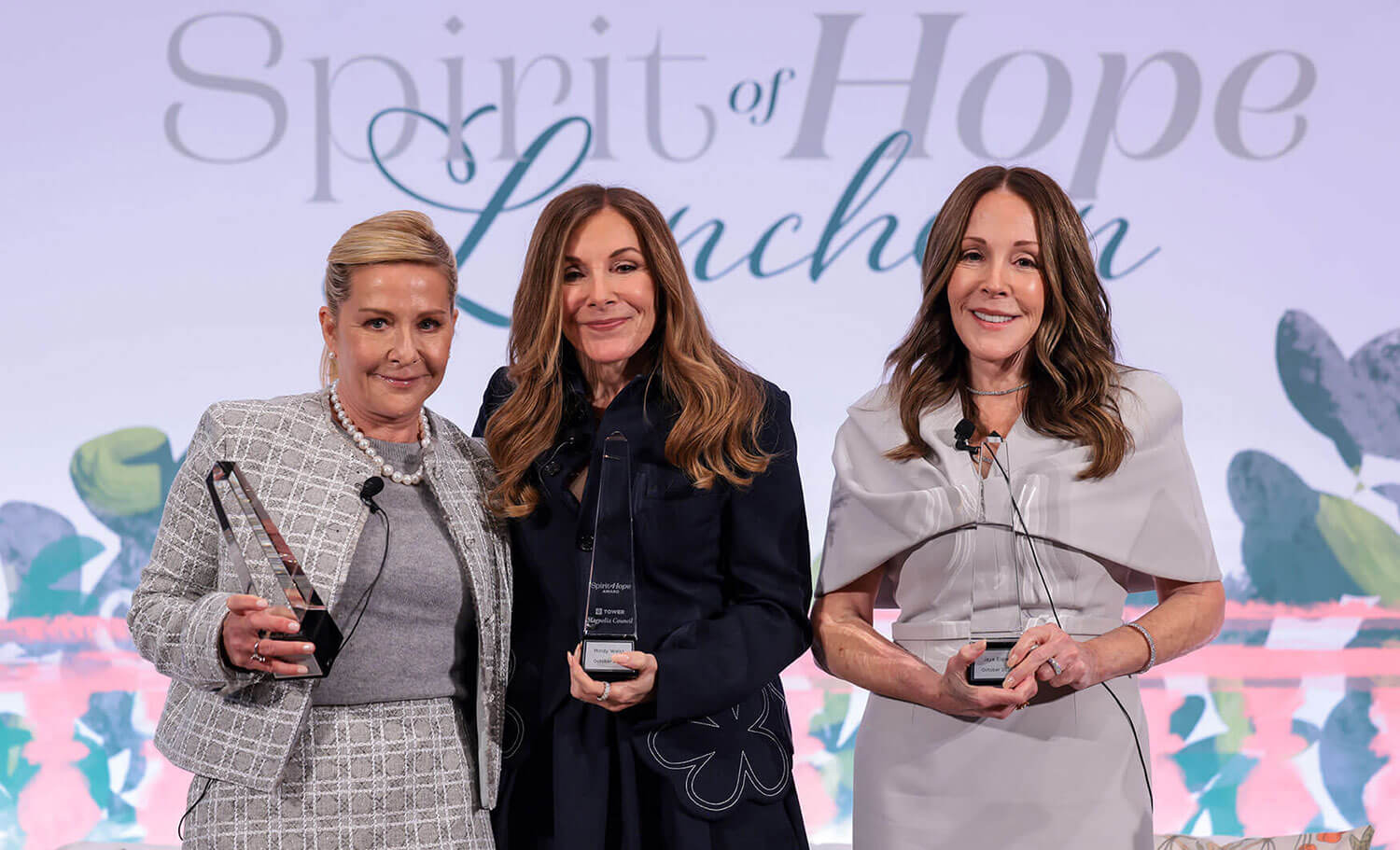
A Celebration of Sisterhood, Strength, and Hope
Tower's Spirit of Hope Luncheon raised over $750,000 for cancer research and patient support while honoring three sisters whose stories inspire hope.

Support the Journey
When you donate to Tower, you’re not supporting a single study. You’re part of an ecosystem that believes the next breakthrough is out there, waiting for someone to believe in it first. Every gift puts resources directly behind the discoveries that would otherwise never see the light of day.